Latest Posts
-
Groundwater levels can decline or recover; slow down or accelerate. This figure shows how to read the Global Trends.
Understand Groundwater Trends discovered by Jasechko et al. (2024) with our visual guide. Each point in the original figure (3a) on the left represents one aquifer system. At first, the figure looks complex — but the simplified OpenHydroGeo guide on… Continue reading
-
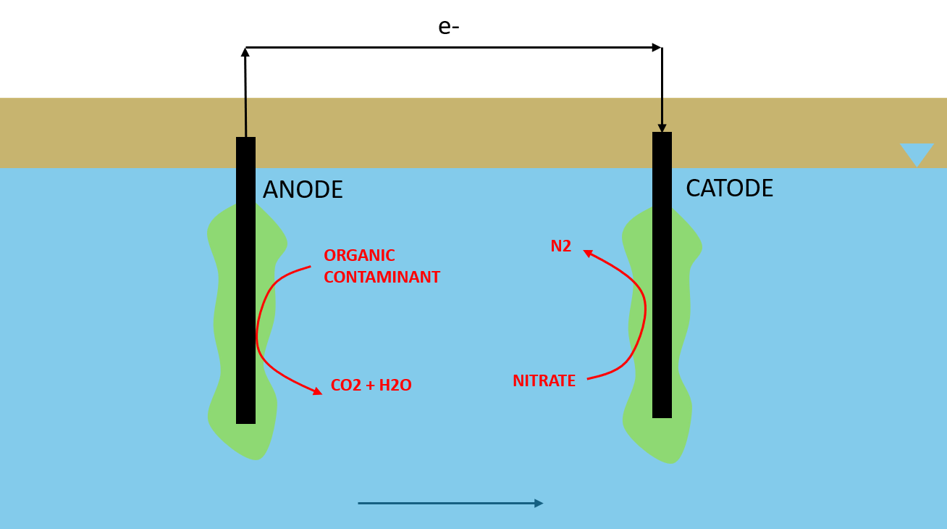
Connecting microbes to electricity?
Last week, I was doing some research in in-situ bioremediation techniques and I came across with a review article by Cecconet et al. 2020, about an emerging method that I found fascinating: bioelectrochemical systems(BESs). The idea is simple: imagine giving… Continue reading
-
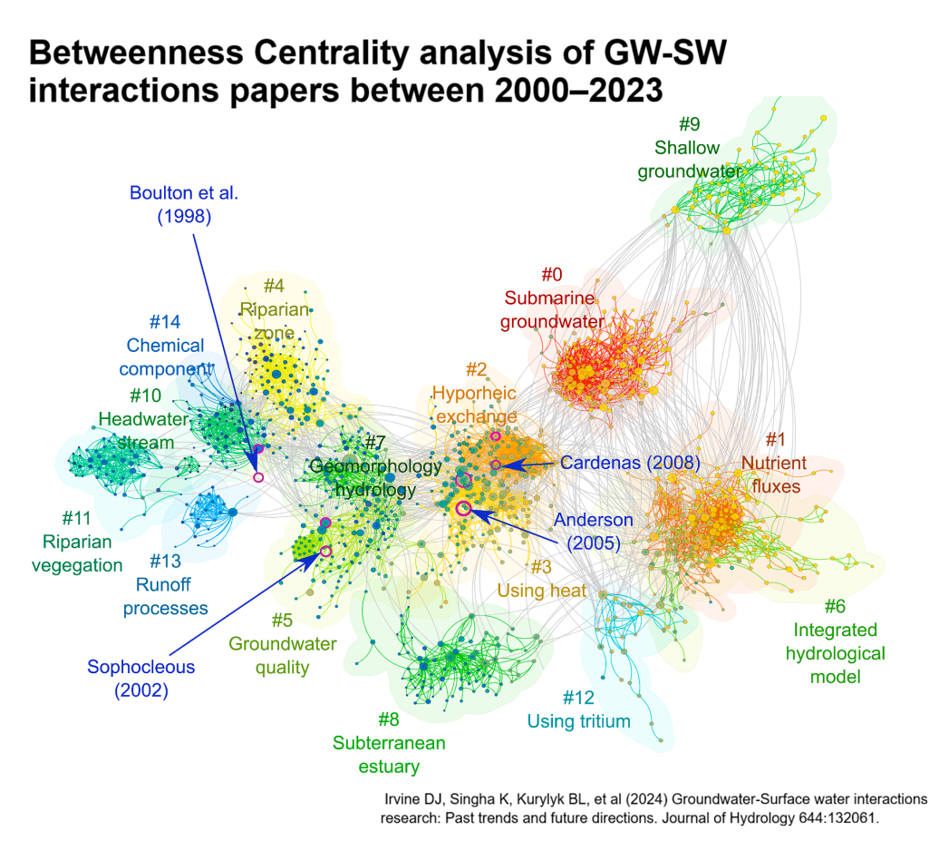
The Importance of Multidisciplinary in Research
20,275 papers on groundwater–surface water interactions. 53 years of research. A genuinely clever approach by Irvine et al. (2024) to go beyond a simple review by analysing the past and evolution of an uprising scientific field. The Figure extracted from… Continue reading
-
Groundwater depletion: who does it harm the most?
In 2015, water use in the Mekong Delta was 25 times than in 1990. In turn, coastal areas with limited freshwater in the dry season have become increasingly reliant on groundwater. A 2024 paper surveyed households in the Tra Minh… Continue reading

-
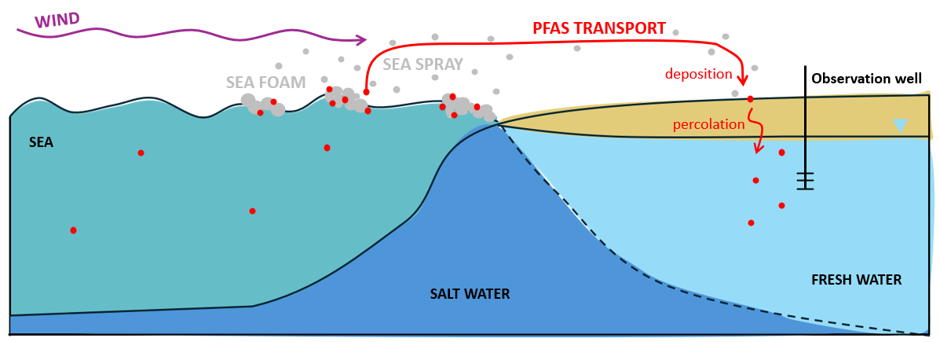
PFAS in Danish groundwater: is the North Sea more contaminated than the Baltic Sea?
PFAS are, currently banned or restricted, human-made “forever chemicals” used in products like non-stick pans, waterproof clothing, and firefighting foams. These contaminants are widely known for absorbing to air/water interfaces, for example, they tend to accumulate in aerosols derived from… Continue reading